 HOME
HOMEÇatalca SECAP, prepared in cooperation with Istanbul Energy, was introduced
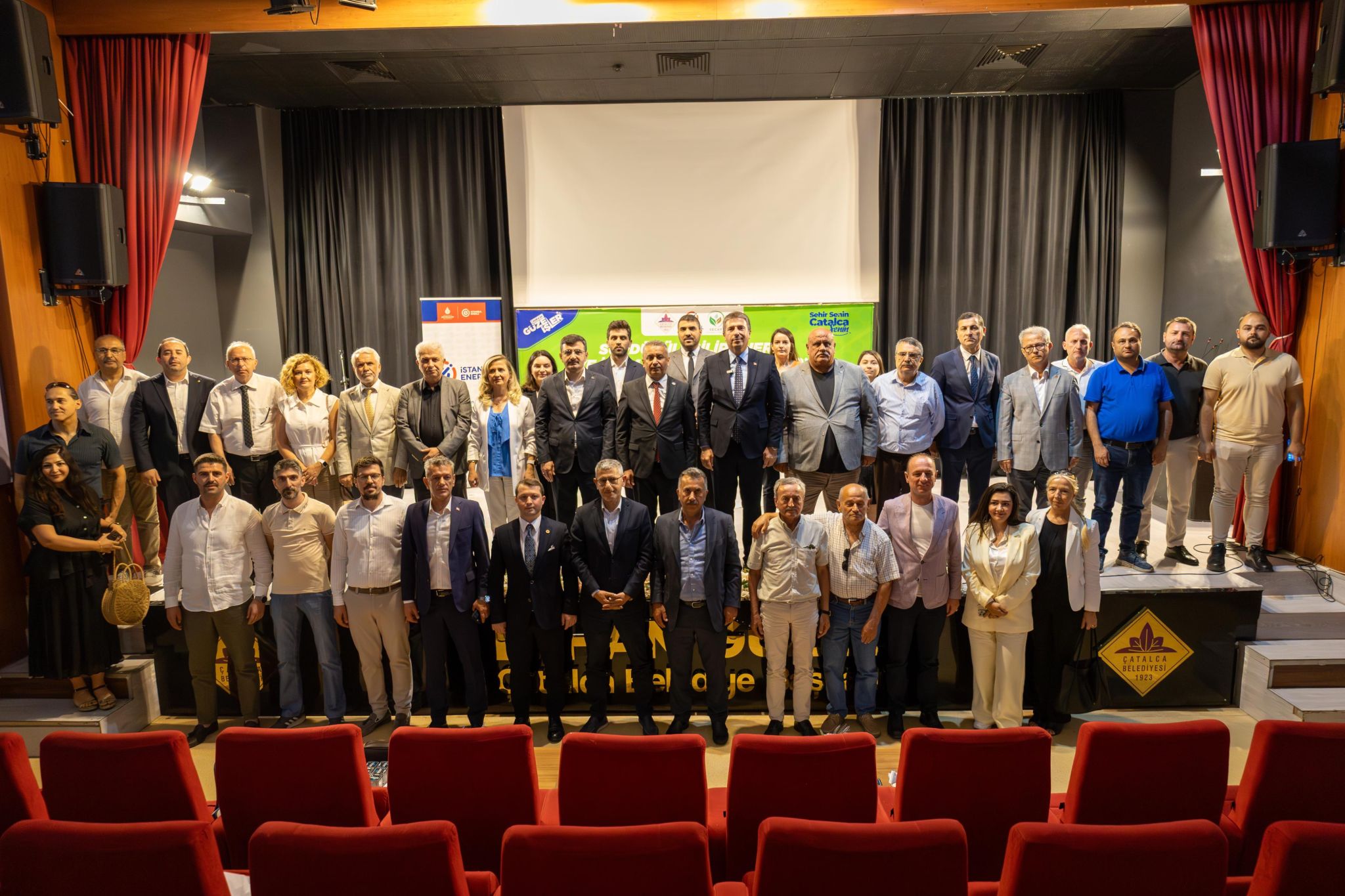
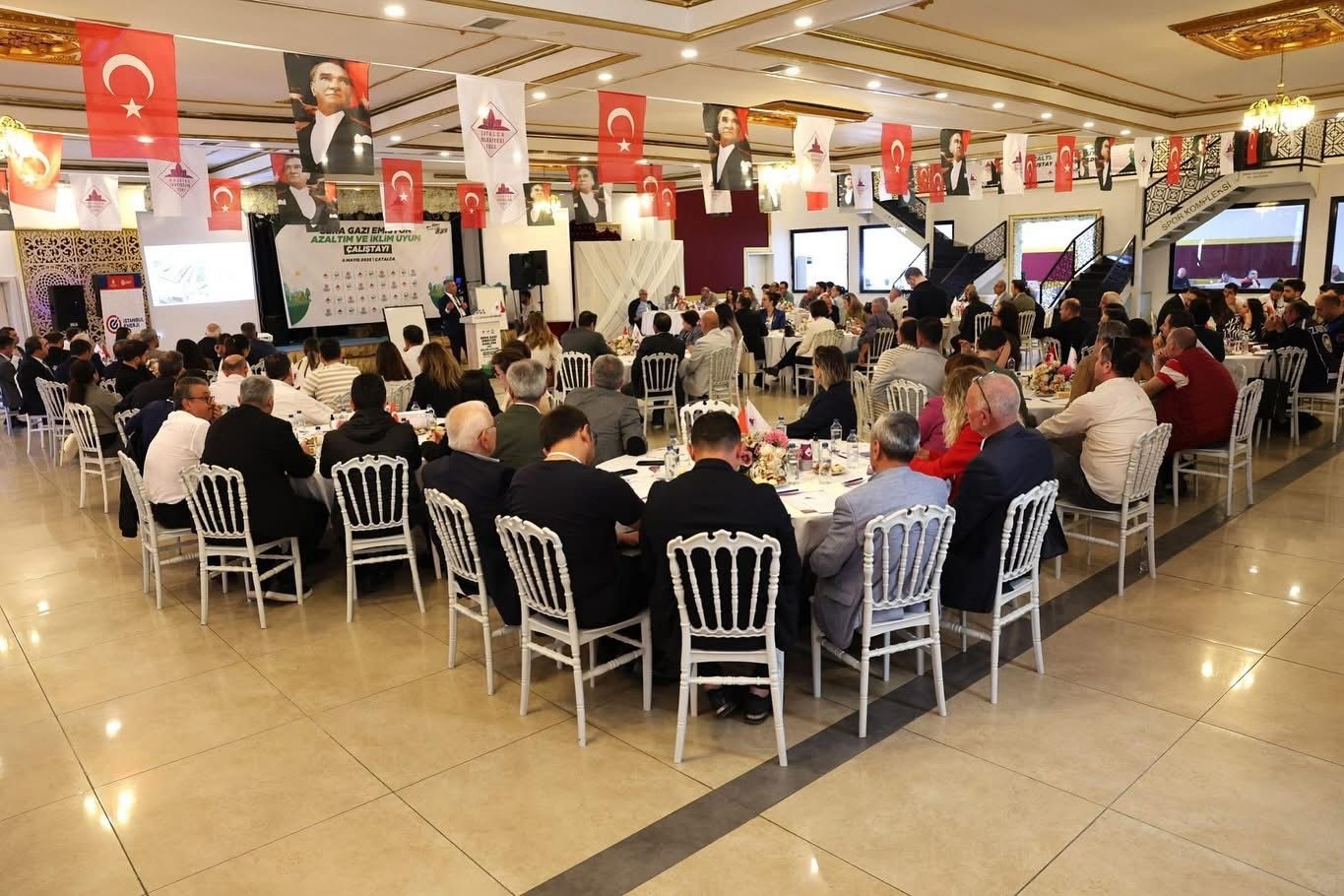
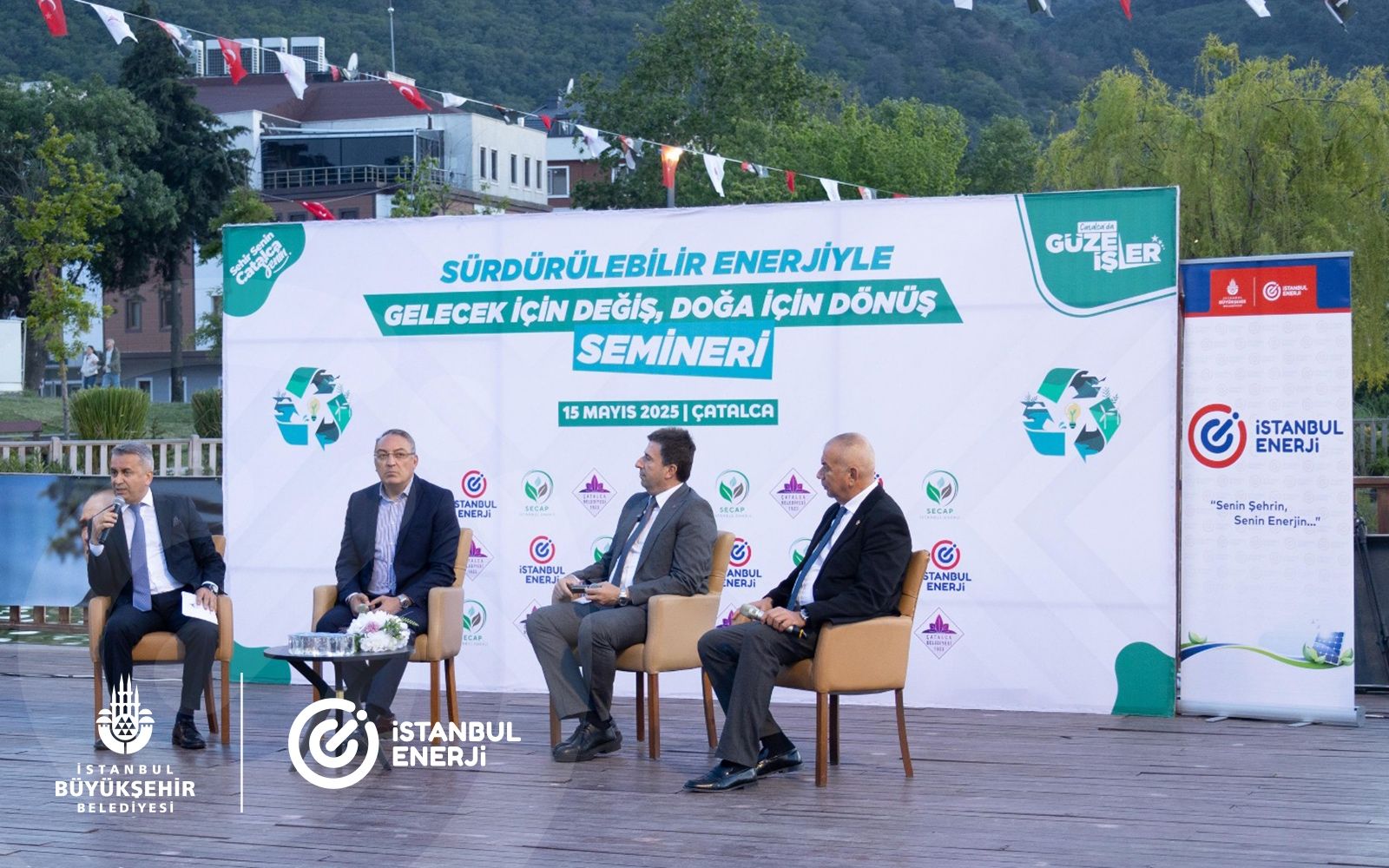
Another important step has been taken towards Istanbul's environmental sustainability goals. The district's first Sustainable Energy and Climate Action Plan (SECAP), prepared in collaboration with the Çatalca Municipality, was introduced to the public at a well-attended meeting.
The meeting was attended by our General Manager Dr. Yüksel Yalçın, Çatalca Mayor Erhan Güzel, deputy mayors, technical teams, neighborhood headmen (muhtars), representatives of civil society organizations, and district administrators. At the meeting, which drew considerable interest from stakeholders, the content, implementation strategies, and objectives of SECAP were shared with the public in detail.
“Exemplary Plan for a Carbon-Neutral Future”
In his speech, General Manager Dr. Yüksel Yalçın emphasized that Çatalca makes a significant contribution to Istanbul's sustainability vision with this comprehensive plan. Yalçın stated, “This SECAP, prepared in a district with high environmental and agricultural potential like Çatalca, is an exemplary roadmap for a carbon-neutral future. As Istanbul Energy, we will continue to provide technical and strategic support at every stage of this process.”
The “Beautiful City Çatalca” Vision Comes to Life
Çatalca Mayor Erhan Güzel, in his speech, recalled the promise he made in the same hall on November 21, 2024, “This date is a milestone for Çatalca; nothing will ever be the same again,” and stated that this promise has been fulfilled today. Mayor Güzel stated that Çatalca is now moving forward with a management approach supported by scientific data, compliant with legislation, and responsive to contemporary needs.
What Does the Plan Introduce?
The main steps to be implemented in Çatalca in line with the prepared SECAP were listed as follows:
• Designing new buildings compatible with solar energy,
• Standardizing rainwater harvesting and graywater use,
• Ensuring energy efficiency in public buildings,
• Expanding bicycle paths and electric vehicle infrastructure,
• Establishing infrastructure systems resilient to natural disasters,
• Supporting climate-friendly agricultural practices,
• Adopting transparent audit mechanisms and environmentally friendly urban planning processes.